Parsnips
Freezing is one of the most effective ways to preserve the nutritional integrity of seasonal vegetables. By mastering the simple science of blanching, you ensure that 'Future You' always has access to produce - even on your busiest days.
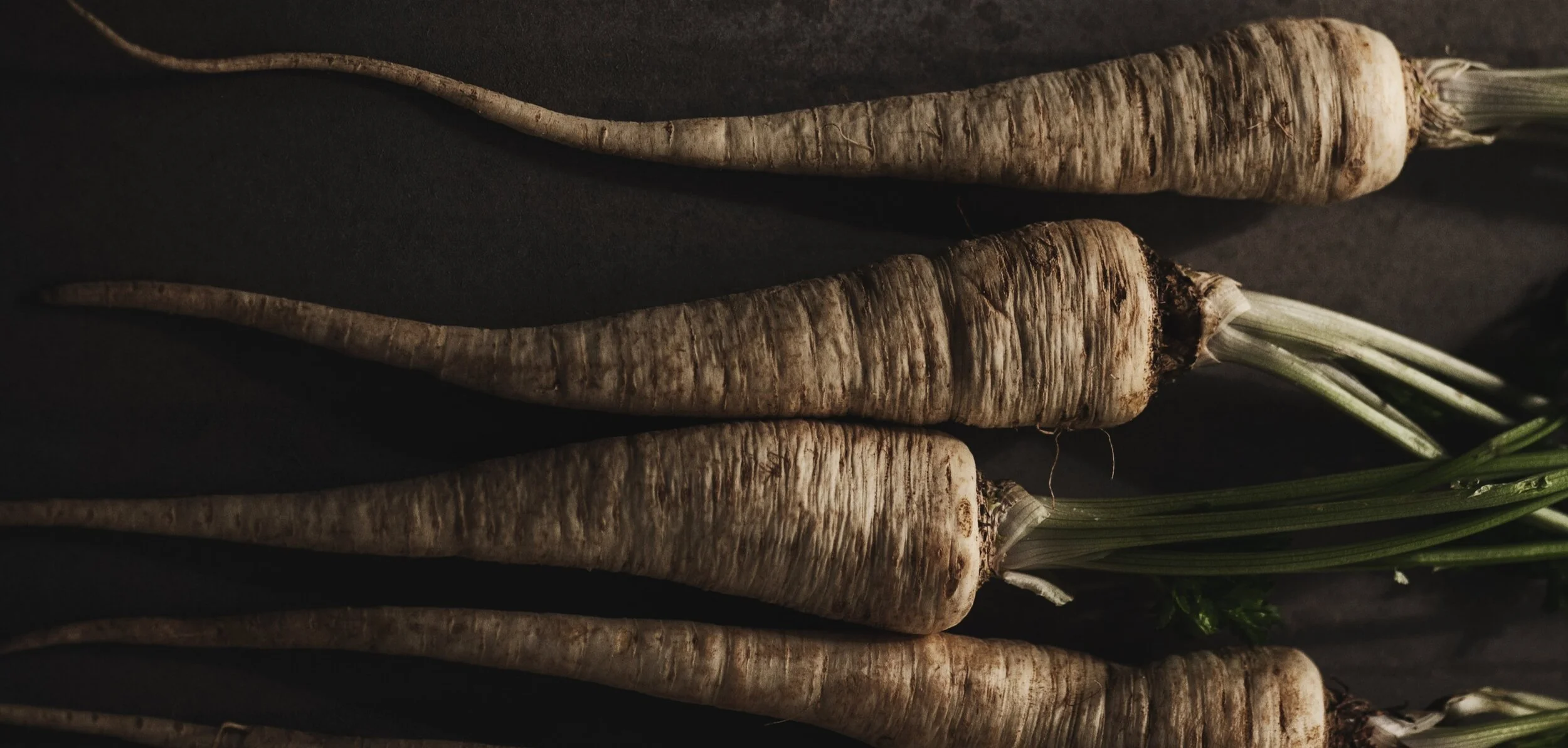
Parsnips
Not everyone’s favourite vegetable. I think I am the only person in our house who likes to eat parsnips and I love to eat them with a roast dinner. Whenever I buy a bag of parsnips, I know they won’t all be eaten, so to save them from going to waste, I follow the instructions below and freeze them.
Preparation
Trim and peel and cut into narrow strips or dice. I prefer the strips of parsnips but it’s your preference. Blanch for 2 minutes and cool in iced water. Drain and pat them dry.
Packaging
Pack in labelled and dated freezer bags. Freezer containers are also suitable.
Thawing
Boil from frozen for 10 to 15 minutes.
Roast from frozen for approximately 45 minutes. This time is dependent on size.
Thaw at room temperature and add to juices of roast joint for 30 minutes, add to stews or mash with butter and pepper.
Storage Time
6 - 12 months
The Vitality of the Parsnip
Why the Parsnip belongs in your Healing Kitchen
Often overlooked, the parsnip is a powerhouse of nutrition for those navigating autoimmune challenges:
Fibre for Gut Harmony: Parsnips are rich in soluble and insoluble fibre, which is essential for supporting a healthy gut microbiome and smoothing digestion.
Immune-Supporting Vitamin C: They are a surprising source of Vitamin C and Vitamin K, providing the antioxidants needed to protect cells from oxidative stress.
Anti-Inflammatory Properties: Parsnips contain falcarinol and other polyacetylenes, which have been studied for their anti-inflammatory and anti-fungal properties.
Complex Carbohydrates: For those of us living gluten-free, parsnips provide a wonderful, "slow-burning" energy source that doesn't cause the sharp blood-sugar spikes associated with processed starches.